







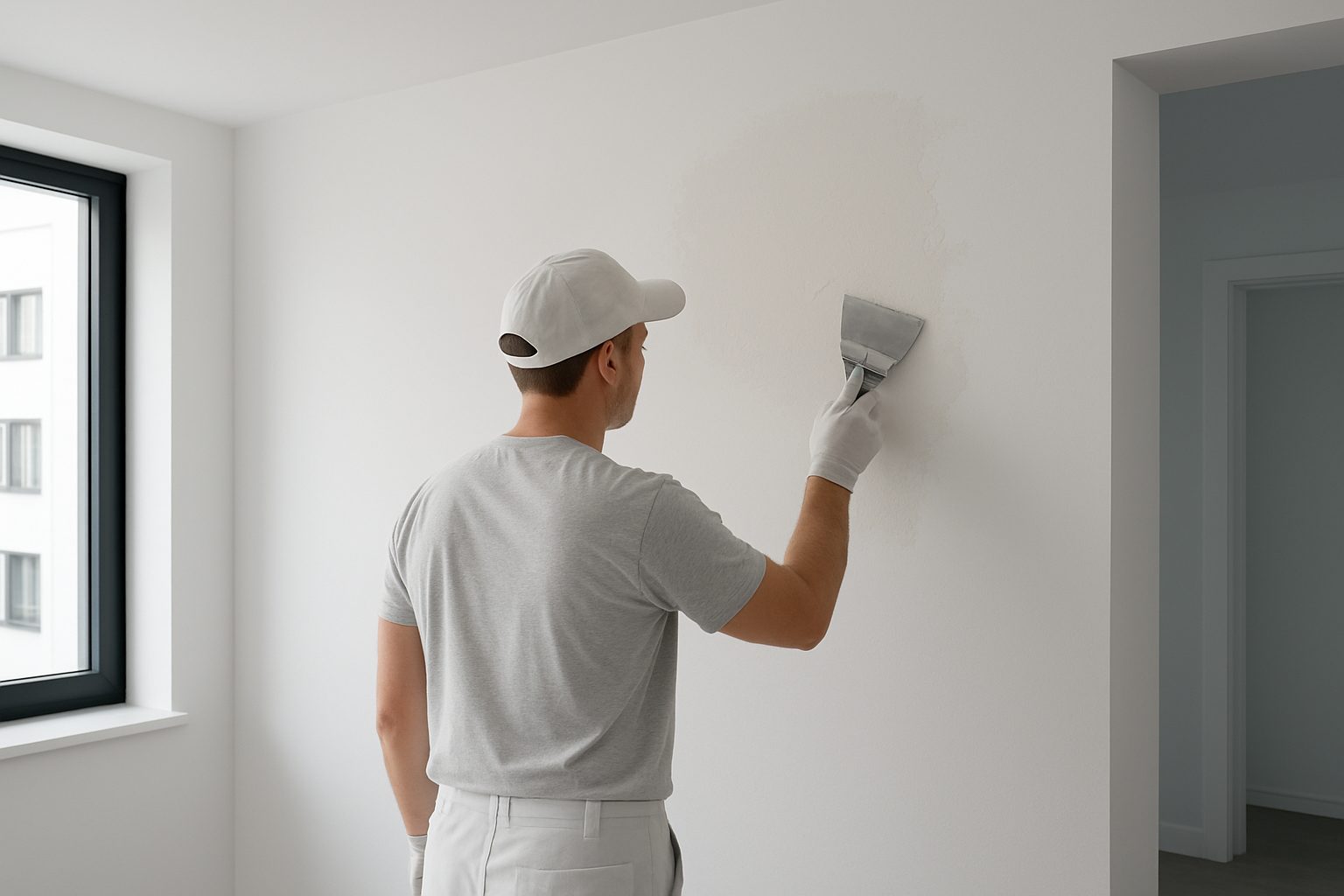
A home’s interior speaks before any conversation begins. The condition of the walls, the consistency of the finish, and the harmony of the color palette all communicate something about the people who live there. Keeping that environment fresh and well-maintained is something many Winnipeg homeowners take seriously—and it is why professional interior painting continues to be one of the most requested home improvement services in the city. Working with interior house painters Winnipeg residents rely on means more than simply having someone apply paint to walls.
Jump To
- What Skills Do Professional Interior Painters Bring to a Project?
- How Do Interior Painters Handle Difficult Surfaces and Textures?
- Why Is Color Consultation a Valuable Part of the Painting Process?
- What Role Does Priming Play in a Professional Paint Job?
- How Do Professional Painters Achieve Sharp, Clean Lines?
- What Is the Best Way to Maintain Painted Interior Walls Over Time?
- What is the first step in hiring a professional interior painter?
- How do painters protect furniture and flooring during a project?
- Is it worth painting rental properties professionally?
- What happens if I am unhappy with the final result?
- How do I prepare my color choices before the painter arrives?
It means entrusting your living space to professionals who understand how to prepare surfaces properly, select the right materials, and deliver a finish that holds up over time. The difference in quality between professional and amateur painting is often dramatic, and homeowners who have experienced both rarely go back.
What Skills Do Professional Interior Painters Bring to a Project?
Interior painting is a trade, and like all trades, it takes time to master. Professional painters develop skills that go far beyond knowing how to hold a brush. They learn how to read surfaces—identifying problem areas like moisture damage, hairline cracks, or uneven texture before they become visible defects in the finished work.
They also understand how paint behaves. Different sheens dry at different rates. Humid conditions in a bathroom behave differently from dry conditions in a bedroom. Temperature, airflow, and the type of surface being painted all influence how the final coat looks. Professional painters account for all of these variables and adjust their technique accordingly.
How Do Interior Painters Handle Difficult Surfaces and Textures?
Not all walls are smooth, and not all painting projects are straightforward. Older homes in Winnipeg often feature textured plaster walls, intricate crown molding, or surfaces that have been painted many times over decades. Each of these scenarios requires a tailored approach.
Professional painters are equipped to handle textured surfaces with the right brush sizes, application methods, and priming strategies. For surfaces with heavy buildup from previous paint layers, they may recommend sanding or skim coating to restore a clean base. The result is a finish that looks intentional and polished rather than layered and uneven.
Why Is Color Consultation a Valuable Part of the Painting Process?
Choosing a paint color is one of the most subjective decisions a homeowner faces, and it is also one of the most consequential. A color that looks appealing on a small swatch can look entirely different when applied across an entire wall under your home’s specific lighting conditions.
Experienced interior painters understand color theory and how light interacts with pigment throughout different times of day. They can advise on undertones—whether a white paint leans warm or cool, for example—and how those undertones will interact with your flooring, cabinetry, and furnishings. That guidance can save homeowners from costly repaints and the frustration of living with a color they do not love.
What Role Does Priming Play in a Professional Paint Job?
Primer is one of the most misunderstood elements of interior painting. Many homeowners assume it is optional or only necessary when making a dramatic color change. In reality, primer serves several critical functions regardless of the color being applied.
A good primer seals porous surfaces, ensures even absorption of the topcoat, and significantly improves adhesion. On previously unpainted drywall, primer is essential. On older walls with stains or repairs, a stain-blocking primer prevents discoloration from bleeding through the finish coat. Skipping primer often results in uneven coverage and a final result that deteriorates more quickly over time.
How Do Professional Painters Achieve Sharp, Clean Lines?
One of the most telling signs of professional work is the quality of the lines where different colors or surfaces meet—along the ceiling, around door frames, at the edges of trim, and where walls of different colors intersect. Achieving those sharp, clean lines requires patience, the right tape, and a steady hand developed through practice.
Professional painters know which taping products work best for which surfaces, and they remove tape at the correct stage of drying to prevent peeling or smudging. They also use edging tools and high-quality angled brushes designed specifically for cutting in along edges. The result is a level of precision that is genuinely difficult to replicate without experience.
What Is the Best Way to Maintain Painted Interior Walls Over Time?
Even the highest quality paint job will benefit from ongoing care. Professional painters often share maintenance advice with their clients before completing a project. Walls in high-traffic areas like hallways and kitchens should be cleaned gently with a damp cloth rather than abrasive materials. Scuffs and minor marks can often be touched up without repainting an entire wall, provided the original paint was stored correctly.
Scheduling a full repaint every several years—depending on the level of use and the quality of the original finish—keeps a home looking its best. Regular maintenance between full repaints extends the life of the finish and keeps spaces feeling clean and well-kept.
What is the first step in hiring a professional interior painter?
The process typically begins with a consultation, during which the painter assesses the space, discusses the homeowner’s goals, and provides a clear outline of the work involved. This is also the right time to ask about their experience, the products they use, and their timeline.
How do painters protect furniture and flooring during a project?
Professional painters use drop cloths, plastic sheeting, and painter’s tape to protect surfaces that are not being painted. Larger furniture is typically moved to the center of the room and covered. Any items that cannot be moved are carefully wrapped and protected.
Is it worth painting rental properties professionally?
Fresh paint between tenants is one of the most effective ways to maintain a rental property’s value and attract quality renters. Professional painting ensures the work is done efficiently and to a standard that holds up to regular use.
What happens if I am unhappy with the final result?
Reputable professional painters stand behind their work. If a finish does not meet the agreed standard, they will address the issue. This commitment to quality is one of the key differences between hiring a professional and attempting the work independently.
How do I prepare my color choices before the painter arrives?
Gathering inspiration images, noting which rooms receive the most natural light, and considering how the space connects to adjacent rooms will help narrow down your options. Many painters are happy to review your shortlist and offer a professional perspective before any paint is purchased.
Key Takeaways
- Professional interior painting is one of the most requested home improvement services in Winnipeg.
- Experienced interior painters possess skills that allow them to identify and address surface issues before painting.
- Color consultation is crucial as paint can look different on a wall compared to a small swatch due to lighting conditions.
- Primer is essential in painting, improving adhesion, sealing porous surfaces, and preventing stains from bleeding through.
- Professional painters achieve sharp, clean lines through the use of high-quality tools and techniques developed from experience.
- Regular maintenance and touch-ups of painted walls can extend the life of the finish and keep home interiors looking fresh.