







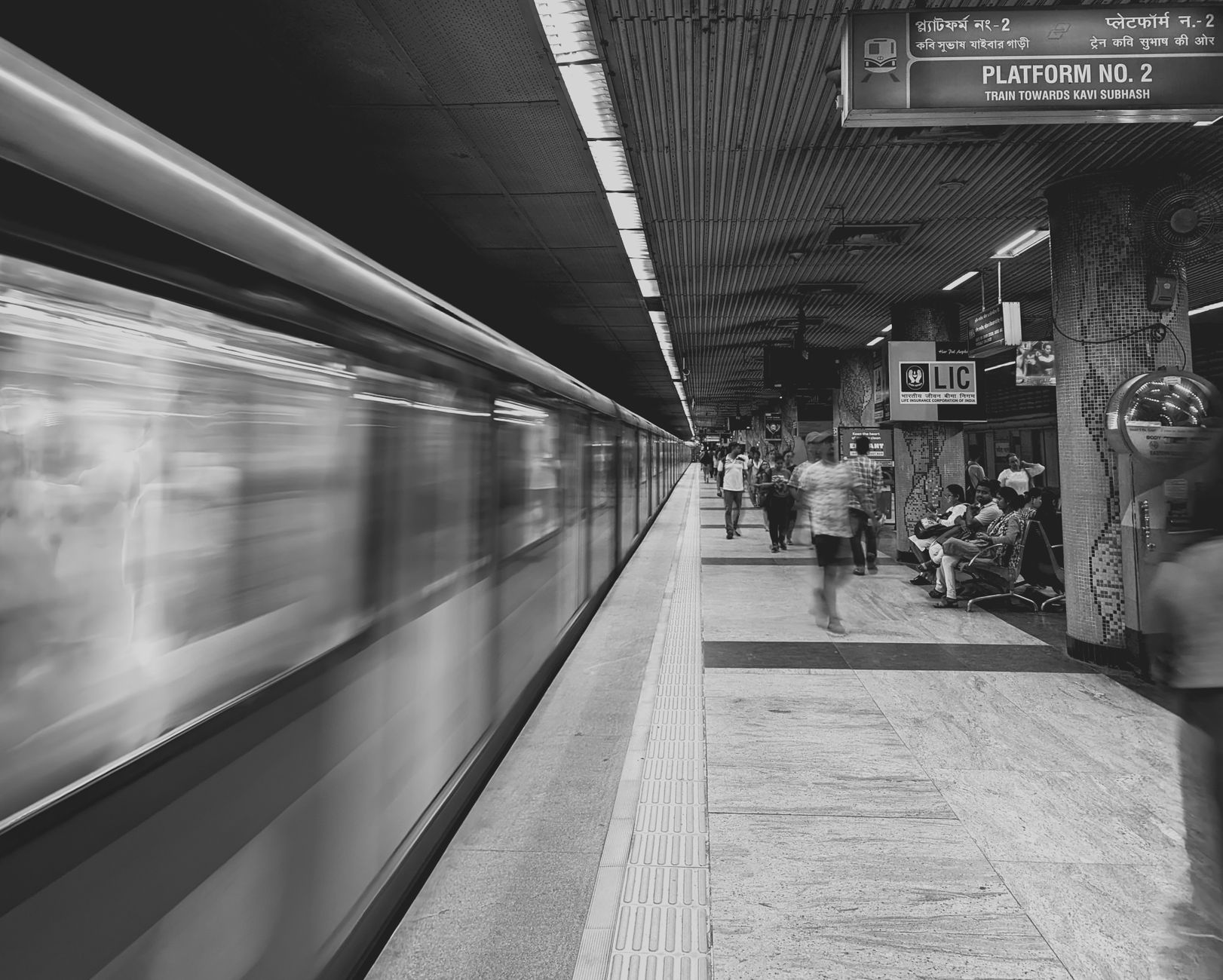
Chennai Metro Phase 2 is about to be inaugurated, enhancing the public transport system in the city. The new Poonamallee-Vadapalani line will provide significant benefits to commuters.
Overview of Chennai Metro Phase 2
The Chennai Metro Phase 2 project marks a significant advancement in the city’s public transportation infrastructure, enhancing connectivity across various regions. This phase aims to extend the metro network by adding approximately 118.9 kilometers of new lines, which will include both underground and elevated sections. With this expansion, the total length of the Chennai Metro will reach nearly 250 kilometers.
One of the most anticipated segments of Chennai Metro Phase 2 is the Poonamallee-Vadapalani line, which is set to be inaugurated by Prime Minister Modi. This line is expected to ease traffic congestion in the city while providing a reliable alternative to road transportation. The project promises to transform commuting experiences for countless residents and visitors alike.
The benefits of this expansion extend beyond mere convenience. Environmental sustainability is a core focus, as the metro system encourages the use of public transport, thereby reducing vehicular emissions. Additionally, it is projected to create numerous job opportunities during its construction and operational phases.
Moreover, the integration of Chennai Metro Phase 2 with existing transport systems will facilitate smoother transfers and improve overall accessibility. Overall, the inauguration of this metro phase heralds a new chapter for Chennai, paving the way for a more efficient and sustainable urban transport landscape.
Importance of the Poonamallee-Vadapalani Line
The Poonamallee-Vadapalani line, as part of the Chennai Metro Phase 2, holds significant importance for the city’s public transport infrastructure. This newly inaugurated line is expected to enhance connectivity between key areas, making commuting more efficient for residents and visitors alike.
One of the primary benefits of this line is its potential to reduce traffic congestion in the bustling city. With a growing population and increasing vehicular traffic, the Chennai Metro Phase 2 aims to provide a reliable alternative to road travel.
Furthermore, the Poonamallee-Vadapalani line will connect several vital locations, including educational institutions, commercial hubs, and residential areas. This connectivity will not only facilitate easier access to jobs and services but also promote the use of public transport, thereby contributing to a reduction in carbon emissions.
In addition to environmental benefits, the line is projected to boost the local economy by increasing foot traffic to businesses along its route. By making public transport a more attractive option, the Chennai Metro Phase 2 can also help alleviate parking issues in crowded neighborhoods.
Overall, the significance of the Poonamallee-Vadapalani line extends beyond mere convenience; it represents a crucial step towards sustainable urban development in Chennai.
Inauguration Details by PM Modi
Prime Minister Narendra Modi is set to inaugurate the highly anticipated Chennai Metro Phase 2 tomorrow, marking a significant milestone in the city’s transportation infrastructure. The event will be held at the Poonamallee-Vadapalani line, a key segment of the broader metro expansion that aims to enhance connectivity across Chennai.
During the inauguration, PM Modi is expected to highlight the numerous benefits that this new line brings to the residents of Chennai. These benefits include:
- Reduced Travel Time: Commuters will experience a significant decrease in travel time, allowing them to reach their destinations more efficiently.
- Environmental Impact: The metro system is designed to reduce traffic congestion and lower carbon emissions, contributing to cleaner air in the city.
- Economic Growth: Improved transportation infrastructure is likely to boost local businesses and attract new investments to the region.
- Enhanced Safety: The modern metro system offers a safer travel alternative compared to traditional road transport.
As Chennai embraces this new chapter with the inauguration of the Poonamallee-Vadapalani line, the Chennai Metro Phase 2 project continues to pave the way for a more connected and sustainable future for its residents.
Expected Benefits for Commuters
The Chennai Metro Phase 2 is set to transform the daily commute for thousands of residents in the city, bringing a multitude of expected benefits for commuters. With its expanded network, the new phase aims to enhance connectivity and reduce travel time significantly.
One of the primary advantages is the reduction of traffic congestion. The introduction of the Poonamallee-Vadapalani line will provide a direct route for commuters, allowing them to bypass the often congested roadways. This shift is anticipated to ease the burden on public transport services and improve overall traffic flow.
Additionally, the Chennai Metro Phase 2 is expected to promote environmental sustainability. By encouraging the use of metro services over personal vehicles, the project aims to reduce carbon emissions, contributing to cleaner air in the city.
Moreover, the new line will enhance accessibility to various commercial and residential areas, making it easier for people to reach their destinations. This improved connectivity is likely to boost economic activities and support local businesses.
In summary, with the inauguration of the Chennai Metro Phase 2, commuters can look forward to a more efficient, eco-friendly, and convenient mode of transportation that promises to improve their daily lives.
Timeline for Future Expansions
The timeline for future expansions of the Chennai Metro Phase 2 has been strategically planned to enhance connectivity across the city. The government aims to complete this expansion in several phases, ensuring that the benefits of the new lines are realized as quickly as possible.
Key milestones in the timeline include:
- Phase 2 Completion: The entire Chennai Metro Phase 2 is anticipated to be completed by the end of 2025, with various sections becoming operational earlier to serve the public.
- Initial Operations: Sections of the Poonamallee-Vadapalani line are expected to be operational shortly after the inauguration, allowing commuters to experience the upgrades firsthand.
- Future Lines: Plans are in place for additional lines extending to areas like Kotturpuram and Velachery, which are slated for development in the next 2-3 years following the completion of Phase 2.
- Community Engagement: The Metro Rail authorities will conduct public consultations to gather feedback on proposed routes and services, ensuring that the expansions meet the needs of the residents.
With these expansions, Chennai is set to witness a significant transformation in its public transport landscape, making Chennai Metro Phase 2 a pivotal project for urban development.
Public Reactions to the Metro
The inauguration of the Chennai Metro Phase 2 has elicited a wave of positive reactions from the public, with many expressing excitement about the new connectivity options it will bring. Residents of Chennai are particularly enthusiastic about the Poonamallee-Vadapalani line, which is expected to significantly ease traffic congestion in the area.
Local commuters shared their views on what the new metro line means for their daily lives:
- Anjali Kumar, a college student, stated, “This metro line will save us so much time! I can’t wait for it to start.”
- Rajesh Singh, a software engineer, remarked, “The Chennai Metro Phase 2 is a game changer. It will make commuting less stressful and more efficient.”
- Meena Rani, a homemaker, expressed, “I hope this encourages more people to use public transport instead of cars, which will help reduce pollution.”
Many residents feel that the new phase will not only improve their daily commute but also enhance the overall quality of life in Chennai. With the successful inauguration led by PM Modi, the anticipation for the Chennai Metro Phase 2 continues to grow, reflecting a collective optimism for a more connected and accessible city.
Comparison with Phase 1
The Chennai Metro Phase 2 project has been designed to build upon the successes of Phase 1, creating a more efficient and expansive transportation network. While Phase 1 primarily focused on connecting key areas of the city, Phase 2 aims to extend these connections, enhancing accessibility for residents and reducing traffic congestion.
In terms of construction length, Phase 1 covers approximately 45 kilometers, whereas Phase 2 boasts an ambitious extension of around 118 kilometers. This significant increase is expected to facilitate smoother travel across various zones of Chennai.
- Integration: Phase 2 is planned to integrate seamlessly with the existing lines from Phase 1, allowing commuters to transfer easily between different routes.
- Environmental Impact: With a focus on sustainability, both phases prioritize reducing carbon emissions through improved public transport options.
- Technological Advances: Phase 2 incorporates advanced technology for better operational efficiency, which was partly based on feedback from the Phase 1 experience.
Overall, the comparison between the two phases highlights growth and adaptability, with Chennai Metro Phase 2 set to deliver enhanced benefits and a more comprehensive transit solution for the city’s residents.
Challenges Faced During Construction
The construction of Chennai Metro Phase 2 faced several challenges that impacted its timeline and execution. These obstacles ranged from logistical issues to environmental concerns, which required careful planning and management.
- Land Acquisition Delays: One of the primary hurdles was the prolonged process of land acquisition. Many properties were located along the proposed route, leading to negotiations that slowed down progress.
- Traffic Disruptions: The construction work caused significant traffic disruptions in various areas, especially in dense urban zones. This led to frustration among local commuters and residents.
- Environmental Concerns: There were concerns regarding the ecological impact of construction activities. Environmental assessments were necessary to ensure that the project complied with regulations, which added to the timeline.
- Technical Difficulties: The complexity of the engineering involved in building underground tunnels and elevated tracks posed numerous technical challenges. These issues required innovative solutions and adjustments to the original plans.
- Funding and Resource Allocation: Securing adequate funding and resources for the extensive project was also a challenge, particularly in light of rising costs and budget constraints.
Despite these challenges, the successful completion of Chennai Metro Phase 2 promises to revolutionize public transportation in the city, offering a reliable alternative for commuters.
Photo by Shovan Datta on Pexels