








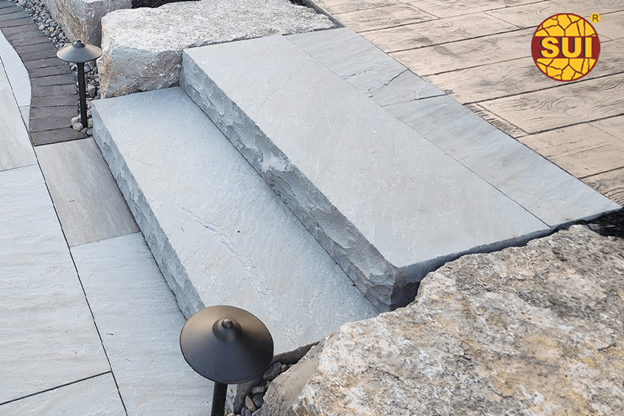
In the landscape of modern architecture, the selection of materials is a decision that balances aesthetic vision with structural integrity and long-term performance. For architects, selecting the natural stone is an engineering requirement that demands precise technical data.
A reliable natural stone distributor serves as a vital partner in this process, providing the empirical evidence needed to ensure that a selected material will withstand environmental stressors, load-bearing requirements, and the rigors of high-traffic use.
When collaborating with a natural stone distributor, architects must look beyond the surface beauty of a slab or paver. To reduce risk and ensure project success, a comprehensive set of technical specifications must be evaluated.
1. ASTM Testing and Material Performance Standards
In the United States, building materials are approved by the American Society for Testing and Materials (ASTM). Any reputable natural stone distributor should be able to provide updated ASTM test results for their inventory. These tests offer a standardized way to compare different types of natural stone, such as limestone, sandstone, quartzite, slate, and travertine.
- Absorption and Density (ASTM C97): This is perhaps the most critical metric for exterior applications and wet environments. It measures the stone’s porosity. High absorption rates can lead to staining or damage during freeze-thaw cycles. For architects, knowing the density helps in calculating the dead load of a building’s facade or the structural requirements for a stone-clad wall.
- Compressive Strength (ASTM C170): For commercial projects involving heavy vehicular traffic or load-bearing walls, compressive strength is non-negotiable. Whether specifying driveway pavers for a luxury estate or heavy-duty steps for a public plaza, the stone must be able to support the intended weight without crushing or fracturing.
- Flexural Strength (ASTM C880): This measures the stone’s ability to resist bending or breaking under a load. This is particularly important for thin veneer applications and large-format slabs used in cantilevered designs or wall cladding.
2. Dimensional Tolerances and Calibration
For a seamless installation, especially in large-scale commercial flooring or intricate wall patterns, dimensional accuracy is paramount. Architects require assurance from their natural stone distributor regarding the precision of the cuts.
The calibrated stone refers to material that has been processed to a consistent thickness. For example, when specifying natural stone tiles for an interior lobby, a variance of even 2mm can lead to lippage, an uneven surface that is both an aesthetic flaw and a tripping hazard. Professional distributors offer products that are gauged and calibrated to ensure that contractors can achieve a flush finish across thousands of square feet.
3. Slip Resistance and Surface Texture
Safety is a primary liability concern for architects. The finish of a stone is a functional specification. Every distributor should provide data on the Dynamic Coefficient of Friction (DCOF).
- Honed and Polished Finishes: Typically reserved for interior applications, these provide a smooth, refined look. However, a polished finish on an outdoor walkway would be hazardous.
- Rock Face and Tumbled Finishes: These textures provide inherent slip resistance. Products like rock face jumbo pattern pavers or tumbled cobblestones are ideal for outdoor environments where traction is required.
- Sandblasted or Flamed Finishes: These specialized finishes create a uniform, non-slip surface that is perfect for pool surrounds and public entryways.
4. Geological Composition and Chemical Resistance
Understanding the mineralogy of the stone is essential for long-term maintenance.
- Siliceous Stones: Granite, quartzite, and sandstone are primarily composed of silica. They are exceptionally durable and resistant to most acids, making them ideal for high-traffic commercial flooring and kitchen countertops.
- Calcareous Stones: Limestone, marble, and travertine contain calcium carbonate. While they offer a unique aesthetic, they are susceptible to etching if exposed to acidic substances. Architects must specify the correct sealants and maintenance protocols based on the chemical composition provided by the distributor.
5. Format and Product Availability
A project’s design often hinges on the available formats of the stone. A versatile natural stone distributor should offer an integrated range of products that allow for a cohesive design language throughout a property. Technical specifications should include the availability of:
- Hardscape Elements: Pavers, cobblestones, and stepping stones.
- Architectural Accents: Column caps, wall caps, window sills, and treads.
- Vertical Cladding: Ledge stone panels and thin veneers for both interior accent walls and exterior facades.
- Large Scale Masonry: Steps and slabs for custom fabrication.
By sourcing all these components from a single distributor, architects ensure color consistency and material compatibility across the entire site.
6. Environmental and Ethical Sourcing
Natural stone is inherently an eco-friendly green material, but the fabrication process matters. Architects should inquire about water-based fabrication methods and the distributor’s direct relationship with quarries. Direct importers can often provide better transparency regarding the origin of the stone, ensuring that the material meets the project’s ethical and environmental standards.
7. Packaging and Logistics
Technical specifications are irrelevant if the material arrives damaged. Architects need to know that their natural stone distributor employs rigorous packaging standards. High-quality distributors utilize reinforced wooden crates and protective foam layers to minimize breakage during transit. For large-scale commercial projects, logistics must include the ability to manage special orders for custom sizes and colors. It is a critical service that separates a simple vendor from a strategic partner.
Final Thoughts
Selecting the right material requires a deep knowledge about the physical and chemical properties that define the longevity of a structure. By demanding comprehensive ASTM data, dimensional precision, and clear information on surface functionality, architects can specify natural stone with total confidence.
Stone Universe Inc. is a premier wholesale natural stone distributor in the United States, offering a vast inventory of high-quality products sourced directly from global quarries. Their extensive range includes everything from landscape pavers and ledge stone to architectural wall caps and window sills, all designed to meet the rigorous technical standards of today’s architectural professionals.