








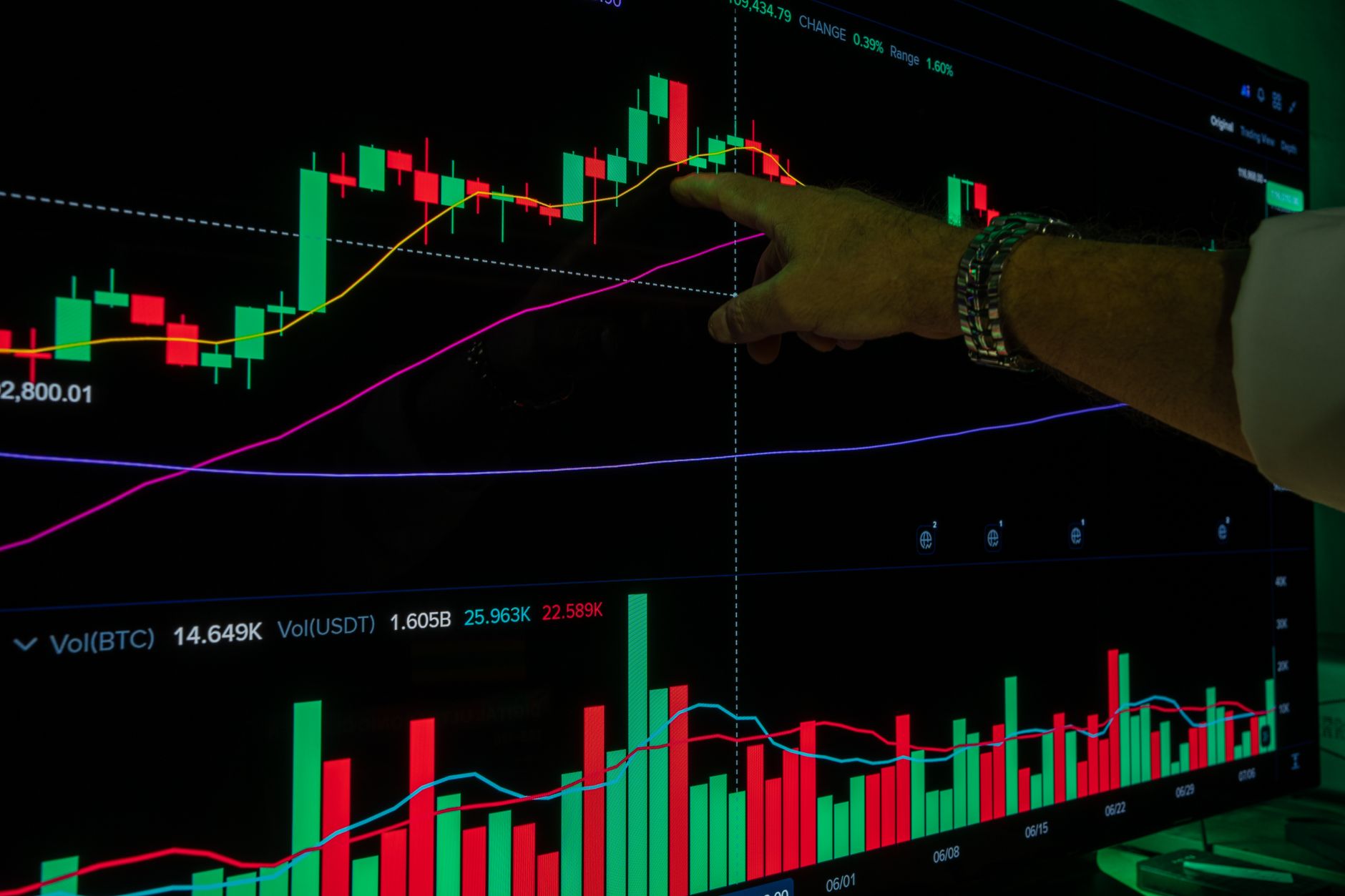
FTSE 100 news highlights the latest changes in the market, including rising oil prices and the new Vistry boss preparing to engage with investors.
Current FTSE 100 Performance
The latest updates on the FTSE 100 reveal a market that continues to respond dynamically to external factors, particularly the rise in oil prices. As of today, the index has shown a modest increase, buoyed by the positive performance of energy stocks which have gained traction amid the climbing costs of crude oil.
Investors are keenly watching the developments as they assess the potential impact of these rising oil prices on global markets. Analysts suggest that this upward trend could lead to a more volatile trading environment, particularly for companies heavily reliant on oil. The FTSE 100, which consists of the UK’s largest publicly traded companies, reflects these broader trends, showcasing resilience in the face of economic uncertainties.
Additionally, the new leadership at Vistry Group is drawing attention as the incoming CEO prepares to address investors for the first time. This change in management comes at a crucial time when the construction sector is grappling with challenges. Market sentiment remains cautious as stakeholders await insights on the strategic direction Vistry will take amidst fluctuating market conditions.
- FTSE 100 shows modest gains.
- Energy stocks benefit from rising oil prices.
- Investors anticipate updates from Vistry’s new CEO.
As the day unfolds, further developments in FTSE 100 news will be closely monitored to gauge ongoing market trends.
Impact of Oil Prices on Investments
The recent fluctuations in oil prices have significant implications for investments within the FTSE 100. As oil prices rise, many companies listed on this index, particularly those in the energy sector, are likely to experience notable changes in their stock performance.
Investors are closely monitoring these developments, as oil prices can influence inflation rates and overall economic stability. A rise in oil prices often leads to increased costs for businesses, which can impact profit margins and consumer spending. Consequently, this can result in a mixed reaction from investors regarding FTSE 100 companies.
Some of the key sectors affected by rising oil prices include:
- Energy Sector: Companies involved in oil extraction and production generally benefit from higher prices, leading to potential stock price increases.
- Transportation Sector: Higher fuel costs can squeeze profit margins, causing concerns for airlines and logistics companies.
- Consumer Goods: Increased shipping and production costs may lead to higher prices for consumers, potentially dampening demand.
As the market reacts to ongoing changes in oil prices, understanding the connections between these dynamics and the broader trends within the FTSE 100 is essential for investors seeking to make informed decisions. Tracking FTSE 100 news can provide valuable insights into how these changes may affect investment strategies moving forward.
Vistry’s New Leadership
In a significant development within the FTSE 100 news, Vistry Group has announced a change in its leadership. The company has appointed a new chief executive officer, who is expected to steer the firm through challenging market conditions and restore investor confidence. This transition comes at a crucial time as the FTSE 100 experiences fluctuations driven by external economic factors.
The incoming CEO, who has a robust background in the construction industry, will face a myriad of challenges, including rising costs and fluctuating demand. Analysts believe that the new leadership could bring fresh perspectives that are essential for navigating the current economic landscape. Investors are keenly observing how this change will impact the company’s strategy moving forward, especially in light of the recent surge in oil prices.
Key priorities for the new CEO will include:
- Enhancing Operational Efficiency: Streamlining processes to reduce costs.
- Strengthening Investor Relations: Engaging with stakeholders to rebuild trust.
- Focus on Sustainable Projects: Aligning with market demands for eco-friendly developments.
As Vistry’s new leadership takes the helm, investors will be looking for indications of how the company plans to adapt in a dynamic environment that is currently influenced by the broader trends reflected in the FTSE 100.
Investor Sentiment Analysis
Investor sentiment surrounding the FTSE 100 has shown notable fluctuations in recent weeks, driven by various economic indicators and global events. As oil prices continue to rise, concerns about inflation and its impact on consumer spending have heightened. This has led to mixed feelings among investors, many of whom are cautiously optimistic about the market’s resilience.
Recent surveys suggest that a significant portion of investors remain vigilant. Key factors influencing their outlook include:
- Interest Rates: Ongoing adjustments by central banks to combat inflation have left investors wary of potential slowdowns in economic growth.
- Corporate Earnings: Companies listed on the FTSE 100 are preparing for earnings reports that could significantly sway market sentiment.
- Geopolitical Tensions: Ongoing global conflicts and trade negotiations are creating uncertainty, further complicating investment decisions.
Despite these challenges, some analysts point to the FTSE 100’s inherent strength, suggesting that long-term investors may find opportunities in undervalued sectors. As the market adapts to the current climate, understanding investor sentiment will be crucial for navigating the evolving landscape. The interplay of these factors continues to shape the FTSE 100 news, making it essential for investors to stay informed and agile in their strategies.
Market Predictions for the Week
The upcoming week is poised to bring significant developments in the FTSE 100 market, with analysts predicting potential shifts influenced by various economic factors. A keen focus will be on the continuing rise of oil prices, as this trend may further impact the performance of energy stocks within the index.
Economists anticipate that the FTSE 100 could experience volatility, particularly if inflationary pressures persist. The Bank of England’s upcoming monetary policy meeting is expected to provide insights into the central bank’s stance on interest rates, which may, in turn, influence investor decisions. Key points to watch include:
- Inflation Data: Recent inflation reports may dictate the future monetary policy and affect the FTSE 100’s trajectory.
- Corporate Earnings: Several major firms listed on the FTSE 100 will release their quarterly earnings, impacting market sentiment.
- Geopolitical Events: Developments in global politics could lead to uncertainty, affecting market stability.
Market analysts suggest that investors should remain cautious, as fluctuations in global markets may also play a significant role in shaping FTSE 100 news. Staying informed and adapting strategies will be essential as traders navigate this dynamic environment.
Economic Factors Influencing FTSE 100
The FTSE 100 is significantly influenced by various economic factors that shape market trends. Understanding these elements is crucial for investors looking to navigate the complexities of the financial landscape. Here are some key economic factors currently impacting the FTSE 100:
- Interest Rates: Central banks’ decisions on interest rates play a vital role in market performance. Recent signals from the Bank of England suggest potential adjustments, which could influence borrowing costs and consumer spending.
- Inflation Rates: Persistent inflation continues to affect company profitability and consumer confidence. As prices rise, companies may struggle to maintain margins, impacting their stock prices within the FTSE 100.
- Currency Fluctuations: The value of the British Pound against other currencies can also impact earnings for multinational companies listed on the FTSE 100. A weaker pound can boost export competitiveness but may increase import costs.
- Global Economic Conditions: The interconnectedness of global markets means that economic developments abroad, such as trade tensions or shifts in demand, can have a ripple effect on the FTSE 100.
As investors keep a close eye on these factors, the insights into FTSE 100 news will help them make informed decisions in an ever-changing market environment.
Key Takeaways from Today’s Market
As we delve into the latest FTSE 100 news, several key takeaways from today’s market performance stand out. Investors are closely monitoring shifts in market trends that could influence their strategies moving forward.
- Oil Prices on the Rise: The increase in oil prices continues to have a ripple effect on various sectors. Analysts suggest that this may lead to higher costs for companies reliant on energy, which could impact profit margins.
- Vistry’s Leadership Transition: With the new leadership at Vistry, investors are keen to see how strategic changes will play out. The ability of the new CEO to address current challenges will be under scrutiny in upcoming investor meetings.
- Overall Market Sentiment: Despite the fluctuations, investor sentiment appears cautiously optimistic. Many are looking for signs of stability amid the ongoing changes within the market.
- Economic Factors at Play: Current economic indicators are crucial as they set the tone for market expectations. Investors are advised to stay informed about inflation rates and employment figures, which are likely to shape the FTSE 100 trajectory.
In conclusion, today’s insights into the FTSE 100 reflect a complex interplay of various factors, all of which investors should consider as they navigate the current landscape.
Investors are closely monitoring the latest FTSE 100 news to gauge market sentiment and make informed decisions. Today’s FTSE 100 news highlights significant movements in key sectors, reflecting broader economic trends.
Photo by Rafael Minguet Delgado on Pexels