







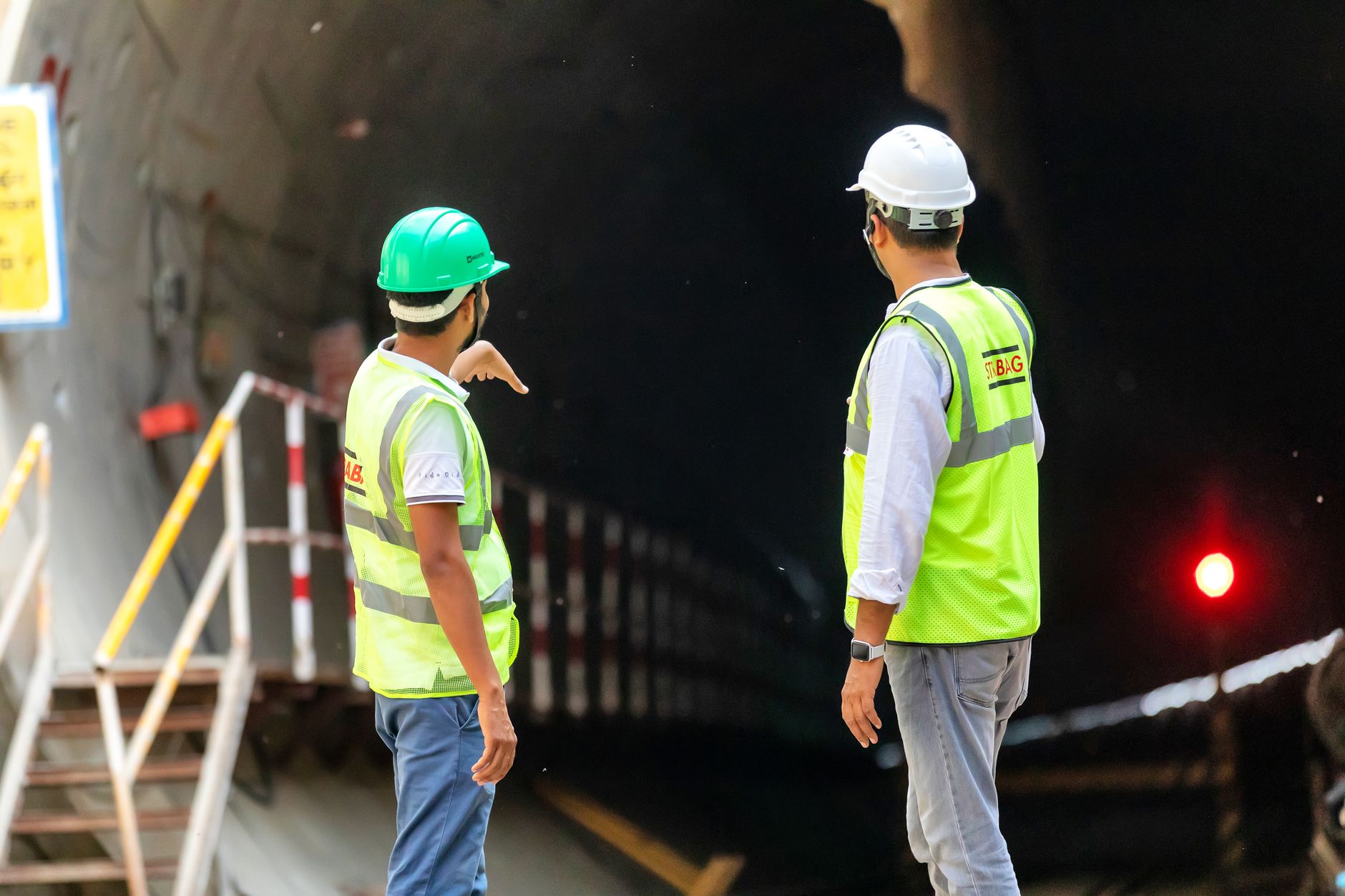
PM GatiShakti infrastructure projects are under evaluation during the 109th NPG meeting, focusing on their effectiveness and future potential.
Overview of PM GatiShakti
The PM GatiShakti infrastructure projects have emerged as a critical component of India’s development strategy, aiming to enhance connectivity and boost economic growth across the nation. Launched by Prime Minister Narendra Modi, the initiative focuses on integrating various infrastructure sectors to create a comprehensive framework that promotes efficient resource utilization.
During the recent 109th NPG meeting, key infrastructure projects under PM GatiShakti were evaluated, highlighting the government’s commitment to facilitating seamless movement of goods and services. The initiative not only aims to improve transportation networks but also seeks to enhance logistics efficiency, which is essential for driving trade and commerce.
Several critical aspects were discussed in the meeting, including:
- Interconnectivity: Improving the links between roads, railways, and ports to reduce transit times.
- Technology Integration: Utilizing advanced technologies to streamline project execution and monitoring.
- Sustainable Practices: Emphasizing eco-friendly solutions in infrastructure development.
- Investment Opportunities: Encouraging public-private partnerships to attract investments in infrastructure projects.
The PM GatiShakti infrastructure projects are expected to play a pivotal role in transforming India’s economic landscape, ensuring that the country remains competitive on a global scale while meeting the needs of its growing population.
Key Infrastructure Projects Discussed
The recent 109th NPG meeting brought to light several significant infrastructure projects under the PM GatiShakti initiative, highlighting the government’s commitment to enhancing the nation’s infrastructure landscape. The discussions focused on evaluating the progress and impact of various projects aimed at boosting economic growth and connectivity.
Among the key projects reviewed were:
- National Highway Development: The meeting assessed the expansion and modernization of national highways, which are crucial for improving transportation efficiency.
- Railway Infrastructure: Enhancements in railway connectivity, including new lines and upgrades to existing tracks, were examined to ensure better passenger and freight services.
- Port Development: Projects aimed at modernizing ports to facilitate international trade and boost the maritime economy were discussed extensively.
- Urban Development Initiatives: The integration of smart city projects into the GatiShakti framework was emphasized as a means to improve urban infrastructure and services.
- Renewable Energy Projects: The inclusion of renewable energy initiatives within infrastructure planning aims at achieving sustainability and reducing carbon footprints.
The insights gained from the meeting are expected to steer future investments and policy decisions, ensuring that the PM GatiShakti infrastructure projects align with the broader goals of national development and economic resilience.
Evaluation Criteria for Projects
The evaluation of infrastructure projects under the PM GatiShakti initiative is guided by a comprehensive set of criteria aimed at ensuring effectiveness and accountability. These criteria help in assessing the feasibility, impact, and sustainability of each project, contributing to informed decision-making.
Key evaluation criteria include:
- Strategic Alignment: Projects must align with national priorities and contribute to economic growth and development.
- Cost-Benefit Analysis: A thorough analysis of projected costs versus anticipated benefits is essential to ensure financial viability.
- Environmental Impact: Assessing the environmental implications of each project is crucial to promote sustainable development.
- Timeframe and Milestones: Establishing realistic timelines and measurable milestones allows for effective monitoring of progress.
- Stakeholder Engagement: Involving local communities and other stakeholders in the planning process enhances project acceptance and success.
Moreover, a focus on innovation and technology integration is vital. Projects that leverage modern technology for efficiency and enhanced service delivery are prioritized. The 109th NPG meeting highlighted the importance of these evaluation criteria in ensuring that PM GatiShakti infrastructure projects not only meet immediate needs but also lay the foundation for long-term growth and prosperity.
Impact on National Development
The evaluation of PM GatiShakti infrastructure projects has significant implications for national development. By streamlining the implementation of critical infrastructure, these projects aim to enhance connectivity and boost economic growth across various sectors.
One major impact is the increased efficiency in transportation and logistics. With improved roadways, rail networks, and ports, the movement of goods becomes faster and more cost-effective, facilitating trade and commerce. As a result, businesses are likely to see reduced operational costs, which can lead to lower prices for consumers.
Moreover, the initiative is expected to create numerous job opportunities. The construction and maintenance of infrastructure projects will require a substantial workforce, thus contributing to employment generation. This aspect is particularly beneficial in rural areas, where job scarcity is often a pressing issue.
Additionally, PM GatiShakti infrastructure projects are poised to foster regional development. By focusing on underserved areas, the initiative aims to bridge the urban-rural divide, ensuring that all regions benefit from economic progress. This holistic approach can lead to balanced regional growth, enhancing overall national prosperity.
In summary, the impacts of PM GatiShakti infrastructure projects on national development are profound, promoting efficiency, job creation, and regional equity. As evaluations continue, stakeholders remain optimistic about the long-term benefits these initiatives will bring to the country.
Future Directions for Infrastructure
The future of infrastructure development in India looks promising with the ongoing PM GatiShakti infrastructure projects. As the nation transitions towards a more integrated and efficient framework, several key directions are becoming apparent.
Firstly, there is a strong emphasis on enhancing connectivity. Improved transport networks, including roads, railways, and ports, are essential for facilitating trade and reducing logistical costs. The government aims to complete these projects within a stipulated timeframe to ensure that the anticipated economic benefits are swiftly realized.
Secondly, sustainability is set to become a cornerstone of future infrastructure initiatives. Incorporating green technologies and eco-friendly practices will be crucial in minimizing the environmental impact of development works. By prioritizing sustainable methods, PM GatiShakti projects will not only address immediate needs but also preserve resources for future generations.
Furthermore, the integration of technology stands out as a vital future direction. The use of digital tools for project management and monitoring is expected to enhance transparency and accountability. This will also help in effectively tracking progress and expediting decision-making processes.
Lastly, collaboration with the private sector is likely to increase, fostering a partnership approach that leverages innovative solutions. These partnerships can provide the necessary investments and expertise to drive the success of PM GatiShakti infrastructure projects, ultimately contributing to robust national development.
Photo by Anil Sharma on Pexels