

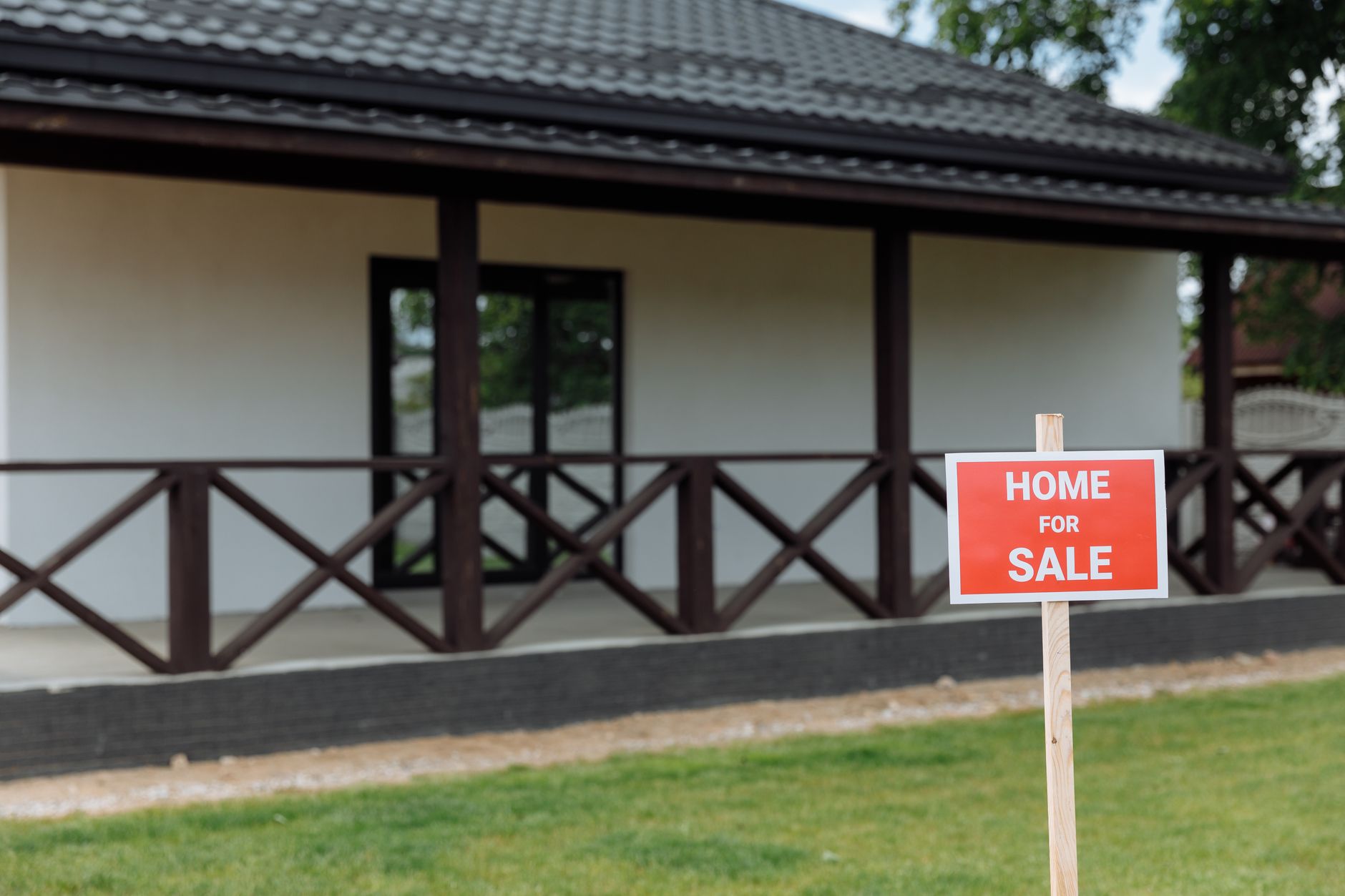
The cheapest places to buy a home in England and Wales are attracting attention from potential buyers. This article explores affordable options for homeownership in these regions.
Overview of the Housing Market
The current housing market presents a unique opportunity for potential homebuyers looking for affordability. With rising prices in many urban centers, buyers are increasingly seeking the cheapest places to buy a home in England and Wales. This trend has led to a shift in focus towards smaller towns and rural areas where property prices remain significantly lower.
Recent studies indicate that many of these locations offer not only affordable housing but also a high quality of life. Factors such as local amenities, community spirit, and access to nature are becoming more important to buyers. Here are some of the most notable regions where affordable homes can still be found:
- North East England – Known for its low property prices and vibrant culture.
- Wales – Offers picturesque scenery and a variety of affordable options.
- Midlands – A central location with competitive housing prices.
- Yorkshire – Renowned for its charming towns and relative affordability.
As the market evolves, these areas may become increasingly attractive to first-time buyers and investors alike.
Factors Affecting House Prices
When searching for the cheapest places to buy a home, various factors significantly influence housing prices. Understanding these elements can help potential buyers make informed decisions.
- Location: Proximity to urban centers, employment opportunities, and amenities can greatly affect prices. Areas with high demand typically see higher costs.
- Economic Conditions: Local economic factors, such as job growth and average income levels, play a crucial role in house pricing. Regions experiencing economic downturns may offer more affordable options.
- Supply and Demand: The balance between available homes and buyer interest can drive prices up or down. Areas with a surplus of properties often present cheaper alternatives.
- Infrastructure Development: Upcoming projects, such as transportation improvements or new schools, can increase attractiveness and consequently raise prices over time.
- Neighborhood Trends: Gentrification or declining neighborhoods can impact prices. Buyers should assess long-term viability and potential appreciation of their investment.
By considering these factors, buyers can uncover the cheapest places to buy a home that meet their needs and budget.
Top Regions for Affordable Homes
When searching for the cheapest places to buy a home, several regions stand out due to their affordability and potential for growth. Below are some of the top regions where prospective homeowners can find great deals:
- Northern England: Areas such as Blackpool and Bradford offer some of the lowest average house prices in the country. These cities are not only budget-friendly but also have vibrant communities.
- Wales: Merthyr Tydfil and Neath Port Talbot are known for their low property prices, making them attractive options for first-time buyers looking to enter the market.
- Midlands: Towns like Wolverhampton and Nottingham provide affordable housing along with good transport links to larger cities.
- Scotland: In areas such as Inverclyde and North Ayrshire, homebuyers can find significant savings compared to urban centers.
These regions not only offer affordable homes but also the potential for future appreciation, making them ideal for savvy investors.
Comparing Prices Across England and Wales
The housing market in England and Wales presents a diverse range of prices, making it essential for potential buyers to explore the cheapest places to buy a home. Recent analyses have revealed significant regional variations that can greatly influence affordability.
In England, towns such as Hartlepool and Wakefield stand out, where average house prices are notably lower than the national average. Similarly, in Wales, areas like Merthyr Tydfil and Blaenau Gwent offer attractive options for homebuyers seeking budget-friendly deals.
When comparing prices, it is important to consider a few key factors:
- Local amenities: Proximity to schools, shopping, and healthcare can affect desirability.
- Transport links: Good connectivity to larger cities can enhance property values.
- Future developments: Upcoming projects may increase demand and prices in certain regions.
By exploring these factors and the cheapest places to buy a home, prospective buyers can make informed decisions that align with their financial goals.
Tips for First-Time Home Buyers
For first-time home buyers, navigating the market can be overwhelming, especially when searching for the cheapest places to buy a home. Here are some essential tips to help you make a wise investment:
- Set a Budget: Determine how much you can afford, taking into account not just the purchase price, but also ongoing costs like maintenance and utilities.
- Research Areas: Look into various regions, focusing on those identified as affordable. Consider factors such as local amenities, schools, and transportation links.
- Check for Incentives: Many governments offer programs to assist first-time buyers, including grants and tax breaks. Be sure to explore these options.
- Get Pre-Approved: Securing a mortgage pre-approval can provide a clearer picture of your financial standing and streamline the buying process.
- Work with a Local Agent: A knowledgeable real estate agent can guide you through the process, helping you find the best deals in your desired locations.
With these tips in hand, you can confidently explore the cheapest places to buy a home and make informed decisions on your journey to homeownership.
Future Trends in Real Estate
As the housing market continues to evolve, understanding future trends in real estate can help prospective buyers identify the cheapest places to buy a home. Analysts are predicting several key developments that could impact affordability across various regions.
One major trend is the increasing popularity of remote work, which is prompting many individuals to seek homes in less urbanized areas where property prices are significantly lower. This shift could lead to a rise in demand for homes in regions previously considered less desirable, potentially altering the landscape of affordable housing.
Additionally, government initiatives aimed at increasing housing supply may result in more competitive pricing, particularly in areas that have seen stagnant growth. As new developments emerge, buyers may find opportunities in regions that were once overlooked.
Furthermore, shifts in interest rates and economic conditions will play a crucial role in shaping future home prices. As the market adjusts, staying informed about these changes can help buyers navigate the search for affordable housing options effectively.
Ultimately, adaptability and awareness of evolving trends will be essential for those looking to find the best deals in the housing market.
Conclusion and Key Takeaways
In conclusion, finding the cheapest places to buy a home requires a careful analysis of various factors influencing house prices. As the housing market continues to evolve, it is crucial for potential buyers to stay informed about the current trends and regional variations.
Key takeaways from this exploration include:
- Research is essential: Take the time to investigate different regions to discover where affordable options are available.
- Consider future developments: Areas with planned infrastructure improvements may see appreciation in property values.
- Utilize local resources: Engage with local real estate agents and online platforms to get the latest insights on property listings.
- Be flexible: Expanding your search radius can uncover hidden gems in less popular areas.
- Financial readiness: Ensure that you are financially prepared to make an offer when you find a suitable property.
By keeping these points in mind, home buyers can navigate the market more effectively and secure their dream home in one of the most affordable locations available.
When searching for the cheapest places to buy a home, consider areas with lower living costs and a growing job market. These regions often offer attractive amenities and a vibrant community, making them ideal options among the cheapest places to buy a home.
Photo by Thirdman on Pexels