
The flying home camera is a groundbreaking innovation in smart home technology. This new device promises enhanced security and convenience for homeowners looking to modernize their living spaces.
What is the flying home camera?
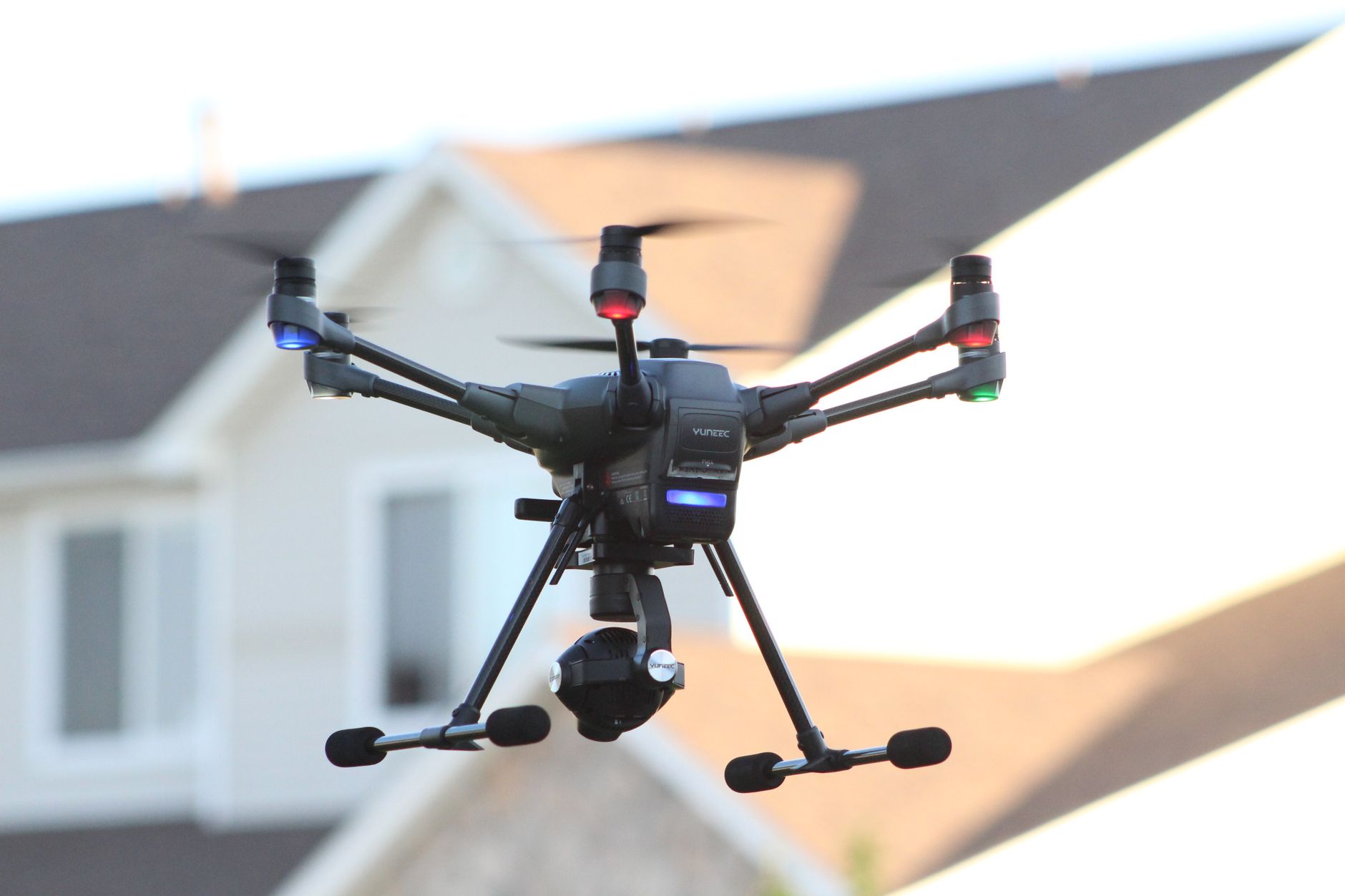
The flying home camera is an innovative gadget designed to enhance home security and monitoring. This unique device combines the capabilities of a traditional security camera with the mobility of a drone, allowing it to move throughout your home autonomously. With advanced features such as live streaming and motion detection, the flying home camera provides real-time surveillance, ensuring that you never miss a moment.
Equipped with high-definition video capabilities, this camera can capture clear footage from various angles, making it ideal for monitoring large spaces. Its ability to fly means it can easily navigate around obstacles and reach areas that stationary cameras might miss.
Recent advancements in technology have made these flying cameras more accessible to consumers, with user-friendly interfaces and integration with existing smart home systems. Some key features include:
- Autonomous flight: The camera can navigate on its own.
- Two-way audio: Users can communicate through the camera.
- Cloud storage: Footage can be saved for later viewing.
As smart home gadgets evolve, the flying home camera stands out as a futuristic solution for modern security needs.
How does the patrol robot work?
The patrol robot operates using advanced technology designed for security and surveillance. It is equipped with a variety of sensors that allow it to navigate autonomously while monitoring its surroundings. The integration of the flying home camera enhances its capabilities, providing a comprehensive surveillance solution.
Key features of the patrol robot include:
- Obstacle Detection: The robot can identify and avoid obstacles in real-time, ensuring safe navigation in various environments.
- Live Streaming: It connects to a central system, allowing users to access real-time video feeds directly from their devices.
- Automated Patrol Routes: Users can program specific routes for the robot to follow, ensuring consistent coverage of designated areas.
- Remote Control: In addition to its autonomous functions, the patrol robot can be manually controlled for targeted surveillance.
With the flying home camera as part of its features, this patrol robot provides homeowners and businesses with an innovative approach to security, blending technology with convenience.
Benefits of using a flying home camera
The introduction of the flying home camera brings a host of benefits that enhance home security and convenience. With its unique ability to navigate through the air, this innovative gadget offers a level of surveillance that traditional cameras cannot match. Here are some key advantages:
- 360-Degree Coverage: The flying home camera can easily cover large areas, eliminating blind spots and providing comprehensive monitoring of your property.
- Real-Time Alerts: Equipped with advanced sensors, this device sends immediate notifications to homeowners when it detects unusual activity, ensuring quick responses to potential threats.
- Remote Access: Users can control the flying home camera from their smartphones, allowing them to check on their homes anytime, anywhere.
- Enhanced Mobility: Unlike stationary cameras, the flying home camera can move to different locations as needed, providing dynamic surveillance tailored to the homeowner’s preferences.
Overall, the flying home camera stands out as a remarkable smart home gadget that combines cutting-edge technology with practical benefits.
Comparing traditional cameras to flying options
As smart home technology evolves, the choice between traditional security cameras and innovative flying home cameras becomes increasingly relevant. Traditional cameras, often mounted in fixed positions, provide a static view of your property. They are effective for monitoring specific areas, but their limitations become apparent in larger spaces or when trying to capture dynamic events.
In contrast, flying home cameras offer a unique advantage with their mobility. Equipped with advanced sensors and stabilization technology, these devices can navigate around your home, providing a comprehensive view from various angles. This capability allows them to monitor hard-to-reach areas and respond to disturbances in real time.
However, traditional cameras still have their merits. They tend to be more cost-effective and require less maintenance than their flying counterparts. Users often appreciate the simplicity and ease of installation that traditional models offer.
Ultimately, the choice between traditional cameras and flying home cameras will depend on individual needs, budget, and the specific security challenges each homeowner faces.
User testimonials on Ring’s new devices
Users have taken to social media to share their experiences with Ring’s new flying home camera, highlighting its innovative features and ease of use. Many are impressed by the camera’s ability to patrol their homes autonomously.
- “I never thought a camera could fly around my house, but it really does give me peace of mind,” said one enthusiastic user.
- “The quality of the video is exceptional, and I love that I can control it from my phone,” another user commented.
- Others noted its versatility, stating, “It’s like having a security guard that can go anywhere!”
However, some users expressed concerns about the camera’s battery life and the noise it makes while in operation. Despite these drawbacks, the flying home camera is gaining traction as a must-have smart home gadget.
Overall, feedback indicates that this new technology is reshaping how homeowners approach security.
Installation process for the flying camera
The installation process for the flying home camera is designed to be user-friendly, making it accessible for homeowners of all technical backgrounds. First, users need to charge the device fully before initiating the setup. Once charged, the camera should be downloaded alongside the accompanying app, which guides you through the connection process.
Next, users will connect the flying camera to their home Wi-Fi network. The app provides step-by-step instructions to ensure a seamless connection. After linking to Wi-Fi, the camera will automatically update its software to the latest version, enhancing its performance and security features.
Once installed, homeowners can customize their settings through the app. Users can adjust the camera’s patrol routes, set up alerts, and even schedule flight times. This flexibility allows for tailored surveillance, ensuring that the flying home camera meets specific needs.
Overall, the installation process is straightforward, enabling users to quickly take advantage of this innovative smart home gadget.
Cost analysis of smart home gadgets
The cost of smart home gadgets can vary significantly, and the flying home camera is no exception. When considering the investment in such technology, it’s important to analyze not only the initial price but also the long-term value it brings to homeowners.
Here are some factors to consider when evaluating the cost:
- Initial Purchase Price: The flying home camera typically falls within a mid-to-high price range for smart home devices, reflecting its advanced technology and capabilities.
- Subscription Services: Many smart home cameras, including the flying variants, offer subscription plans for cloud storage and enhanced features, which can add to the overall cost.
- Maintenance and Upgrades: Users should also factor in potential maintenance costs or the need for future upgrades as technology evolves.
- Insurance Discounts: Investing in a flying home camera might qualify homeowners for discounts on insurance premiums, offsetting some of the initial costs.
In summary, while the flying home camera represents a significant investment, its unique features may justify the expense for tech-savvy homeowners looking for innovative security solutions.
Future of home security technology
The future of home security technology is increasingly leaning towards innovative solutions that enhance safety and convenience. The introduction of the flying home camera marks a significant advancement in this field, combining mobility with advanced surveillance capabilities. As homeowners seek smarter ways to protect their properties, devices like the flying camera are set to redefine security protocols.
Experts predict that the integration of artificial intelligence and machine learning will further enhance the functionality of these gadgets. For instance, future flying cameras may be equipped with facial recognition technology, enabling them to distinguish between familiar faces and potential intruders. Additionally, real-time data analysis could allow these devices to predict security threats before they escalate.
Another exciting development is the potential for drones to work in tandem with other smart home devices, creating a comprehensive security network. As technology continues to advance, the flying home camera could become an essential tool for homeowners looking to bolster their security measures.
Photo by Matthew on Pexels