

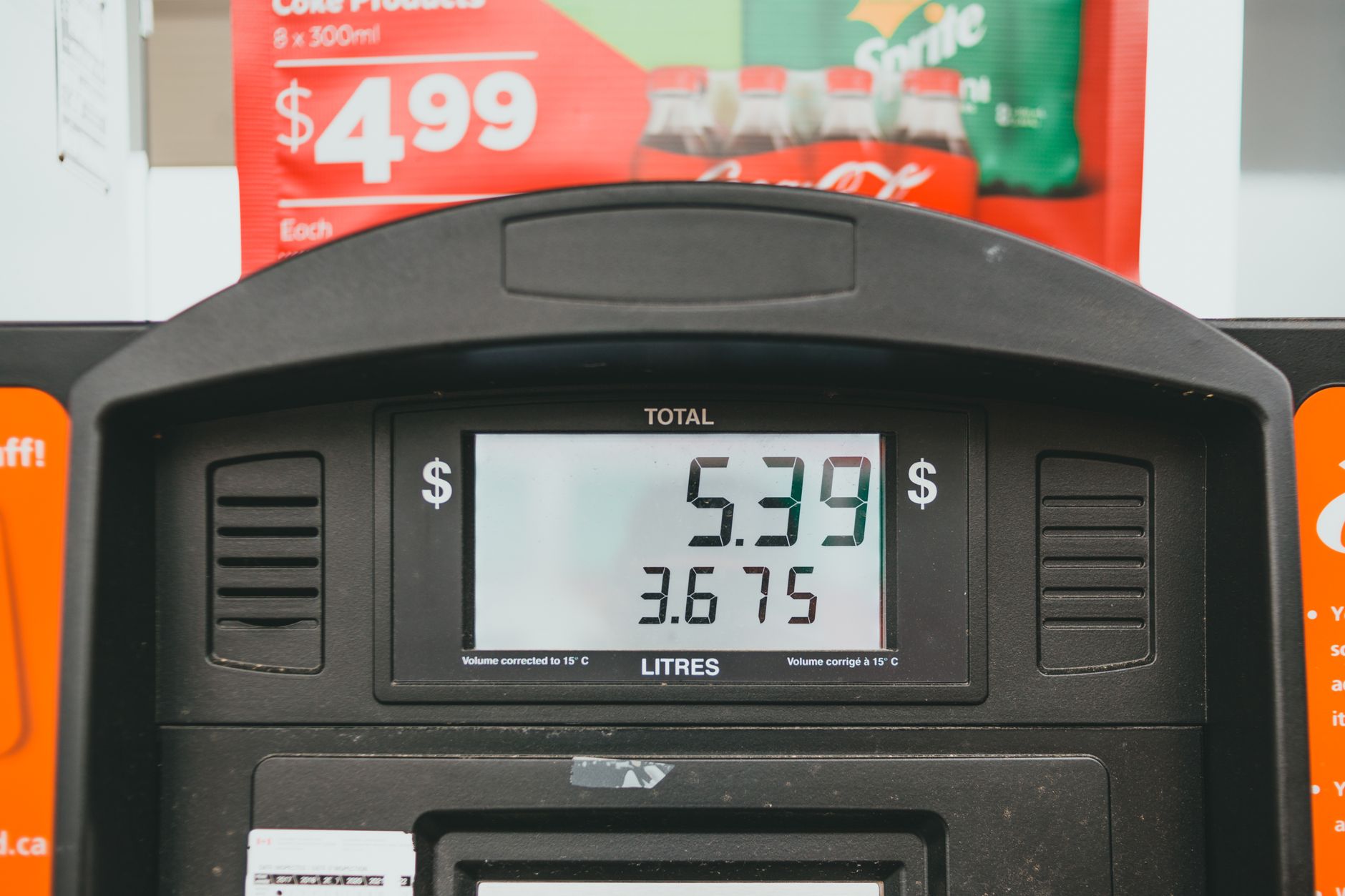
fuel prices impact living costs significantly in Kobani, as rising costs are making it harder for residents to manage their budgets.
Understanding the Rising Fuel Prices
Residents of Kobani are feeling the pinch as rising fuel prices significantly impact living costs in the region. The recent surge in fuel prices is attributed to various factors, including global market fluctuations and regional supply chain disruptions. As a result, households are facing increased expenses that go beyond just filling up their vehicles.
Fuel is a critical component in daily life, affecting numerous aspects of living in Kobani:
- Transportation: Higher fuel costs mean that public transport fares are on the rise, making it more expensive for residents to commute to work or school.
- Food Prices: With transportation costs increasing, the prices of essential goods, including food, are also climbing as suppliers pass on their expenses to consumers.
- Heating and Electricity: Many households rely on fuel for heating during the colder months, leading to a significant strain on budgets as these costs rise.
As fuel prices continue to soar, the overall impact on living costs in Kobani reflects a broader trend that is affecting many communities globally. Residents are left grappling with the reality of a tighter budget and a need for adaptation in their spending habits.
How Fuel Costs Affect Daily Life
The increase in fuel prices has a significant ripple effect on the daily lives of residents in Kobani. As fuel becomes more expensive, the costs associated with transportation, food, and other essential services also rise, leading to a higher overall living cost.
Many families are feeling the strain as they adjust their budgets to accommodate these changes. Key impacts include:
- Transportation Costs: With higher fuel prices, public transportation fares have increased, making it more expensive for residents to commute to work or school.
- Food Prices: Many local markets rely on transportation to bring in goods. As fuel prices rise, so do the costs of delivering food, resulting in higher prices at the grocery store.
- Utility Expenses: Households that depend on fuel for heating and cooking are experiencing a direct hit to their monthly expenses.
In this challenging environment, residents are forced to make tough choices, often cutting back on non-essential expenditures. The impact of fuel prices on living costs in Kobani highlights the broader economic challenges faced by the community.
Fuel Prices Impact Living Costs in Kobani
The recent surge in fuel prices has significantly impacted living costs for residents in Kobani, forcing many to reassess their budgets. The rising fuel prices have led to an increase in transportation costs, which in turn affects the prices of essential goods and services throughout the city.
As fuel prices climb, local businesses face higher operational expenses, prompting them to pass these costs onto consumers. This has resulted in a noticeable increase in the prices of everyday items, creating a ripple effect on the overall cost of living.
Residents have expressed concerns about the affordability of basic necessities, as many struggle to keep up with the escalating prices. The following factors illustrate how fuel prices impact living costs in Kobani:
- Transportation: Increased fares for public and private transport.
- Food Prices: Higher costs for groceries and dining out due to increased fuel expenses for delivery.
- Utilities: Rising costs for heating and electricity, particularly in winter months.
With the burden of rising living costs weighing heavily on the community, residents are calling for solutions to alleviate the financial strain caused by these fluctuating fuel prices.
Economic Challenges for Residents
The surge in fuel prices has created significant economic challenges for residents of Kobani, exacerbating the already high cost of living. With the prices of essential goods directly linked to fuel costs, many families are struggling to make ends meet.
As transportation expenses rise, local businesses are forced to pass on these costs to consumers, leading to an increase in the prices of everyday items. This has resulted in a ripple effect throughout the community, affecting not only individual households but also the overall economy.
According to local sources, many residents have reported a decline in their purchasing power. Some of the primary impacts include:
- Increased food prices: Essential groceries have become more expensive, forcing families to adjust their budgets.
- Higher transportation costs: Commuters face rising fares, putting pressure on their finances.
- Reduced disposable income: With more money spent on fuel and necessities, less is available for savings or leisure activities.
As the community navigates these economic challenges, the connection between fuel prices and the cost of living remains a pressing issue for the residents of Kobani.
Long-term Effects on Real Estate
The long-term effects of rising fuel prices on real estate in Kobani are becoming increasingly evident as residents grapple with the impact on living costs. With fuel prices consistently climbing, potential homebuyers and renters are forced to reconsider their housing options.
Many residents are experiencing a significant shift in their financial priorities, leading to a reevaluation of their housing needs. As fuel prices impact living costs, people are finding it harder to afford larger homes or apartments in desirable neighborhoods. This change is reflected in the following trends:
- Decreased Demand: As fuel prices rise, demand for larger properties in central areas declines, with many opting for smaller, more affordable units.
- Increased Rents: Landlords are raising rents to cover their own rising fuel costs, leaving renters with fewer affordable options.
- Shift to Suburbs: Some families are moving to suburban areas where housing is cheaper, despite longer commutes that further inflate transportation costs.
Ultimately, the correlation between fuel prices and living costs is reshaping the real estate landscape in Kobani, and it remains to be seen how these changes will influence the community’s future.
Community Responses to Rising Costs
Residents of Kobani are increasingly vocal about the impact of rising fuel prices on their daily lives. As costs continue to climb, many community members find themselves adjusting their budgets and lifestyles to cope with the new economic reality.
Local shop owner Leyla Ahmad expressed her concerns, stating, “Every time fuel prices go up, my costs increase, and I have no choice but to raise prices for my customers. It’s a cycle that just keeps going.” This sentiment is echoed by many, as the ripple effects of fuel prices impact living costs across various sectors.
In response to these challenges, community groups have begun organizing meetings to discuss potential solutions. Some of the suggestions include:
- Establishing a community fund to help those most affected by the rising costs.
- Promoting local farming to reduce dependence on imported goods.
- Advocating for government support to alleviate fuel price pressures.
As Kobani grapples with these economic challenges, residents remain hopeful that collective efforts can lead to positive changes and a more stable future.
The rising fuel prices impact living costs in Kobani, forcing families to adjust their budgets and prioritize essential expenses. As transportation costs climb, the overall economy feels the strain, highlighting how fuel prices impact living costs for residents.
Photo by Erik Mclean on Pexels